Back to Stories
Impact Report
Women Hygiene Awareness Program - 2022
Year: 2022
🏷️
Gender Equality, Mental Health & Safe Spaces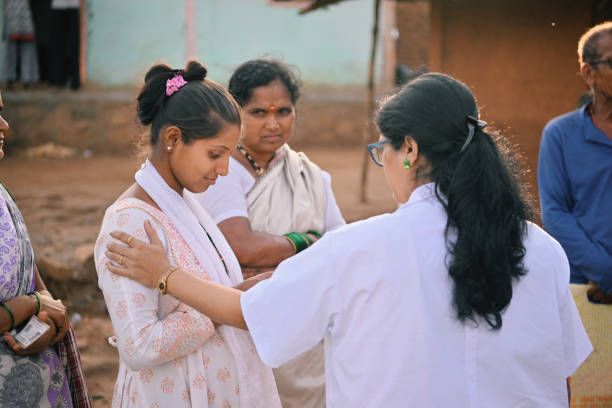
Programme at a Glance
₹
9,800
Budget Used
512
Total Reach
◎
200
Direct Beneficiaries
312
Indirect Beneficiaries
↗
1 : 2
Multiplier Effect
Executive Summary
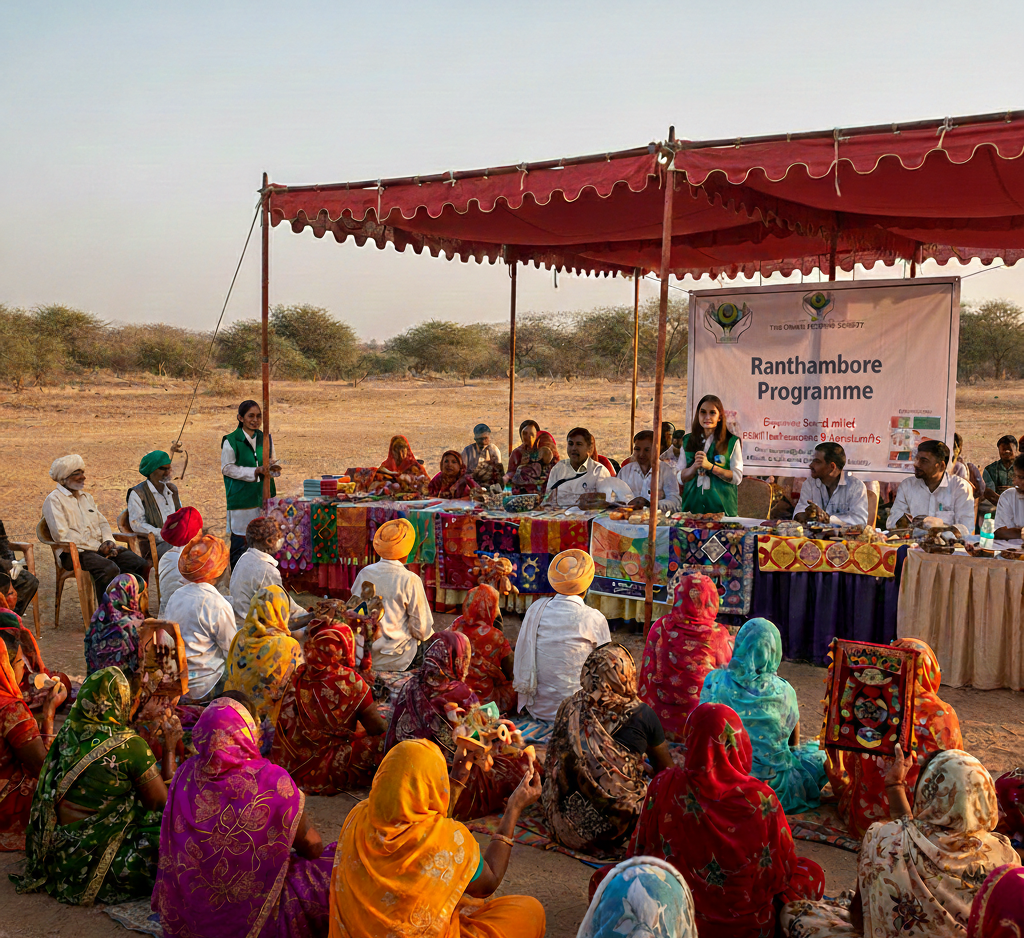
The Women Hygiene Awareness Programme, implemented by The Dream Welfare Society, focused on improving menstrual hygiene awareness, personal health practices, and dignity among women and adolescent girls from underserved communities in Rajasthan. The programme reached participants, directly benefiting women and girls and indirectly impacting individuals through household-level knowledge transfer. Achieving broad overall reach, the programme demonstrated that even small-scale hygiene education initiatives can generate meaningful health and social impact.
Key Findings
- Hygiene awareness is critical for women’s health and dignity
- Low-cost awareness interventions can generate large-scale impact
- Community discussions reduce stigma and misinformation
- Women act as strong agents of health behavior change
Project Snapshot
| Parameter | Details |
|---|---|
| Project Name | Women Hygiene Awareness Program - 2022 |
| Year | 2022 |
| Budget | ₹ 9,800 |
| Direct Impact | 200 |
| Indirect Impact | 312 |
| Total Reach | 512 |
Challenges & Learnings
Challenges
- Deep-rooted cultural taboos and social stigma around menstruation
- Initial hesitation among adolescent girls and first-time participants
- Limited access to affordable and quality hygiene products
- Lack of private sanitation facilities in some households
- Limited involvement of male family members
- Need for repeated engagement to sustain behavior change
Learnings
- Safe, non-judgmental spaces encourage open dialogue
- Peer-to-peer discussions are highly effective
- Visual demonstrations improve understanding
- Involving local women leaders increases trust
- Repeated awareness sessions are essential for sustained impact
Methodology
- Interviews and group discussions with women and adolescent girls
- Observation of hygiene awareness sessions and demonstrations
- Household-level discussions to assess behavior change and knowledge transfer
- Health and behavioral change outcomes evolve gradually over time
- Long-term reduction in infections requires extended monitoring
Impact Analysis
- Improved menstrual hygiene management practices
- Increased use of safe and hygienic sanitary products
- Reduced fear, myths, and misconceptions
- Reduced risk of infections
- Reduction in social stigma and taboos
- Increased open dialogue among women and girls
- Improved school and work attendance during menstruation
- Enhanced self-esteem, dignity, and confidence
- Positive influence on family attitudes toward women’s health
- Continued adoption of hygienic practices
- Peer-to-peer knowledge sharing within communities
- Increased confidence to discuss hygiene openly
- Growing demand for hygiene products
- Regular refresher awareness sessions
Keep Reading
View All StoriesMore Impact Stories
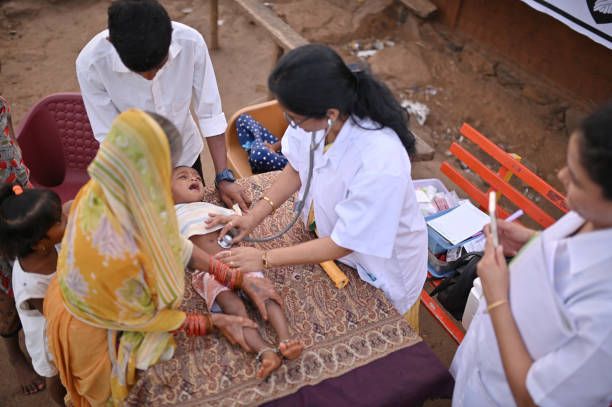
Medical & Health Program (Comprehensive Care) - 2024
The Medical and Health Program (Comprehensive Care) was the largest single-year health intervention undertaken by The Dream Welfare Society, focused on strengthening primary healthcare access in urban slums. The programme delivered consultations, diagnostics, and medicines to unique beneficiaries. Beyond direct treatment, the intervention generated wide community-level impact by improving health stability, reducing deferred care, and strengthening economic resilience across high-density urban settlements.
Read Full Story
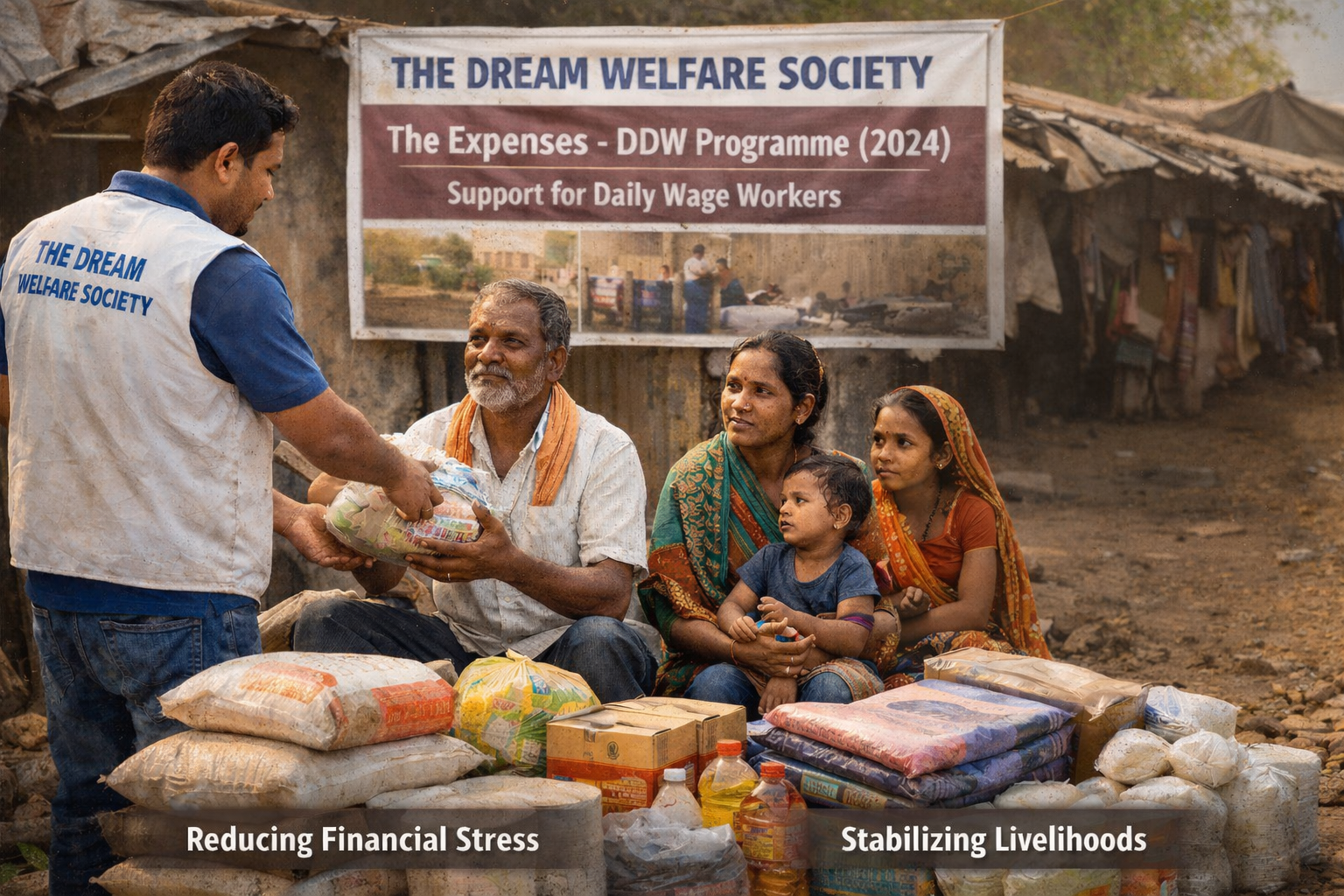
DDW Programme - 2024
Under the DDW Programme, training and capacity-building activities were conducted to enhance the skills, knowledge, and awareness of beneficiaries. The programme focused on strengthening livelihood capabilities, improving employability, and promoting self-reliance among participants. It provided training, capacity building, and skill enhancement support for daily wage workers.
Read Full Story