Back to Stories
Impact Report
Self Help Group Program - 2021
Year: 2021
🏷️
Livelihood & Economic Empowerment
Programme at a Glance
₹
3,86,000
Budget Used
12,792
Total Reach
◎
600
Direct Beneficiaries
12,192
Indirect Beneficiaries
↗
1 : 20
Multiplier Effect
Executive Summary
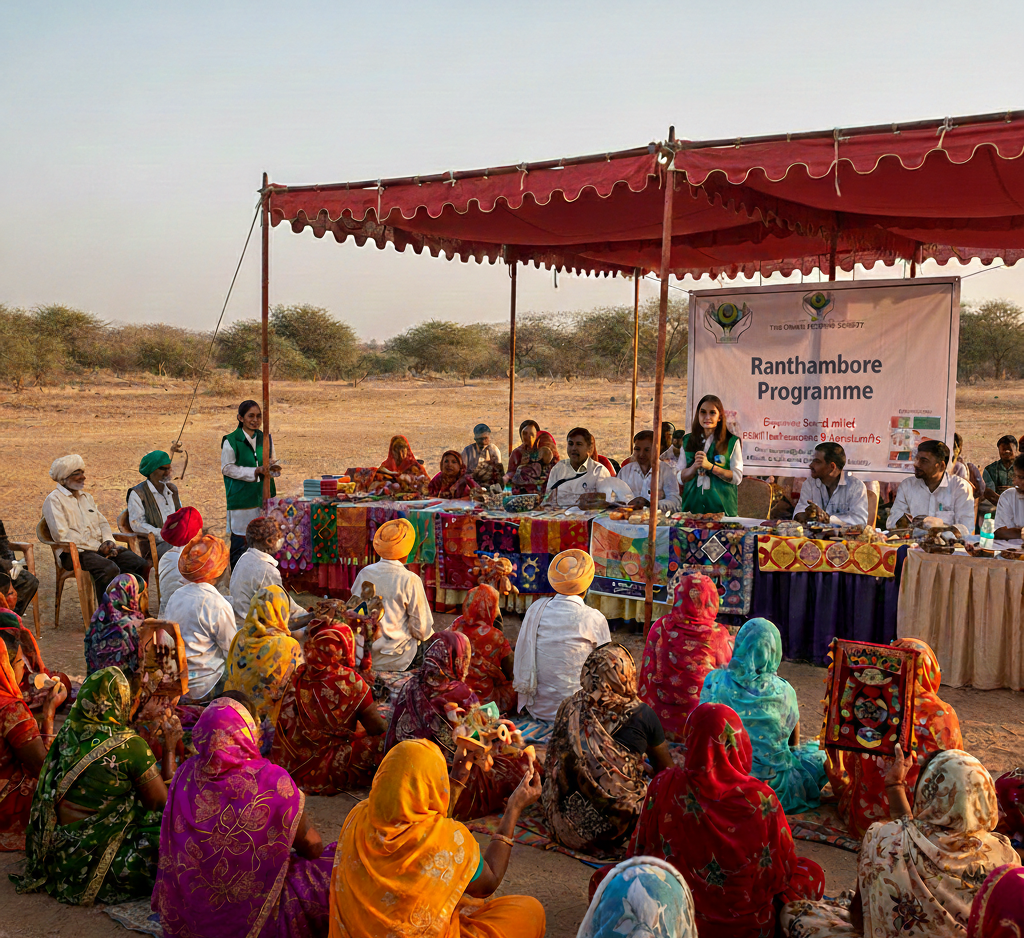
The Self Help Group Programme was implemented by The Dream Welfare Society to promote financial inclusion, collective savings, livelihood enhancement, and social empowerment among women from marginalized communities. Through dedicated support, the programme assisted SHG members, directly benefiting individuals and indirectly impacting people across households and communities. The overall outreach reflects a strong multiplier effect, highlighting the effectiveness of women-led, group-based development models.
Key Findings
- SHGs are effective platforms for financial inclusion and empowerment
- Group-based savings and lending reduce economic vulnerability
- Women-led collectives generate strong multiplier effects
- SHG models are sustainable and scalable with long-term impact
Project Snapshot
| Parameter | Details |
|---|---|
| Project Name | Self Help Group Program - 2021 |
| Year | 2021 |
| Budget | ₹ 3,86,000 |
| Direct Impact | 600 |
| Indirect Impact | 12,192 |
| Total Reach | 12,792 |
Challenges & Learnings
Challenges
- Initial hesitation to adopt regular savings practices
- Limited financial literacy and exposure to banking systems
- Fear of financial risk among low-income households
- Need for continuous mentoring and handholding
- Irregular attendance in early SHG meetings
- Social norms limiting women’s mobility and leadership
Learnings
- Continuous engagement strengthens group cohesion
- Peer learning significantly improves savings discipline
- Financial literacy is foundational for SHG sustainability
- Flexible savings amounts improve early participation
- Leadership rotation increases ownership and accountability
Methodology
- Interviews and group discussions with SHG members
- Observation of SHG meetings and financial practices
- Household-level discussions on income contribution
- Long-term enterprise growth evolves gradually
- Some outcomes require extended monitoring beyond assessment period
Impact Analysis
- Increased access to micro-credit and internal lending
- Reduced dependence on informal moneylenders
- Improved ability to manage household expenses and emergencies
- Enhanced livelihood activities through group enterprises
- Increased confidence and leadership among women
- Improved participation in household and community decision-making
- Enhanced awareness of health, education, rights, and government schemes
- Strengthened social cohesion and peer support systems
- Positive role-model effect for women and girls
- Continued functioning of Self-Help Groups (SHGs) beyond the programme period
- Strong savings discipline and effective internal lending systems
- Increased household and community support for women-led groups
- Expansion to new villages and communities
- Promotion of SHG-based enterprises
- Integration with government livelihood and women empowerment schemes
Keep Reading
View All StoriesMore Impact Stories
Medical & Health Program (Comprehensive Care) - 2024
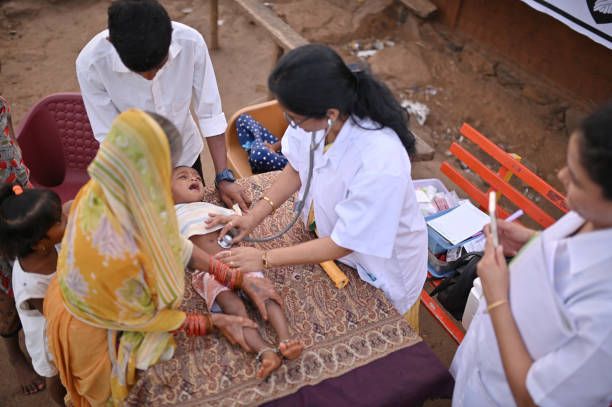
The Medical and Health Program (Comprehensive Care) was the largest single-year health intervention undertaken by The Dream Welfare Society, focused on strengthening primary healthcare access in urban slums. The programme delivered consultations, diagnostics, and medicines to unique beneficiaries. Beyond direct treatment, the intervention generated wide community-level impact by improving health stability, reducing deferred care, and strengthening economic resilience across high-density urban settlements.
Read Full Story
DDW Programme - 2024
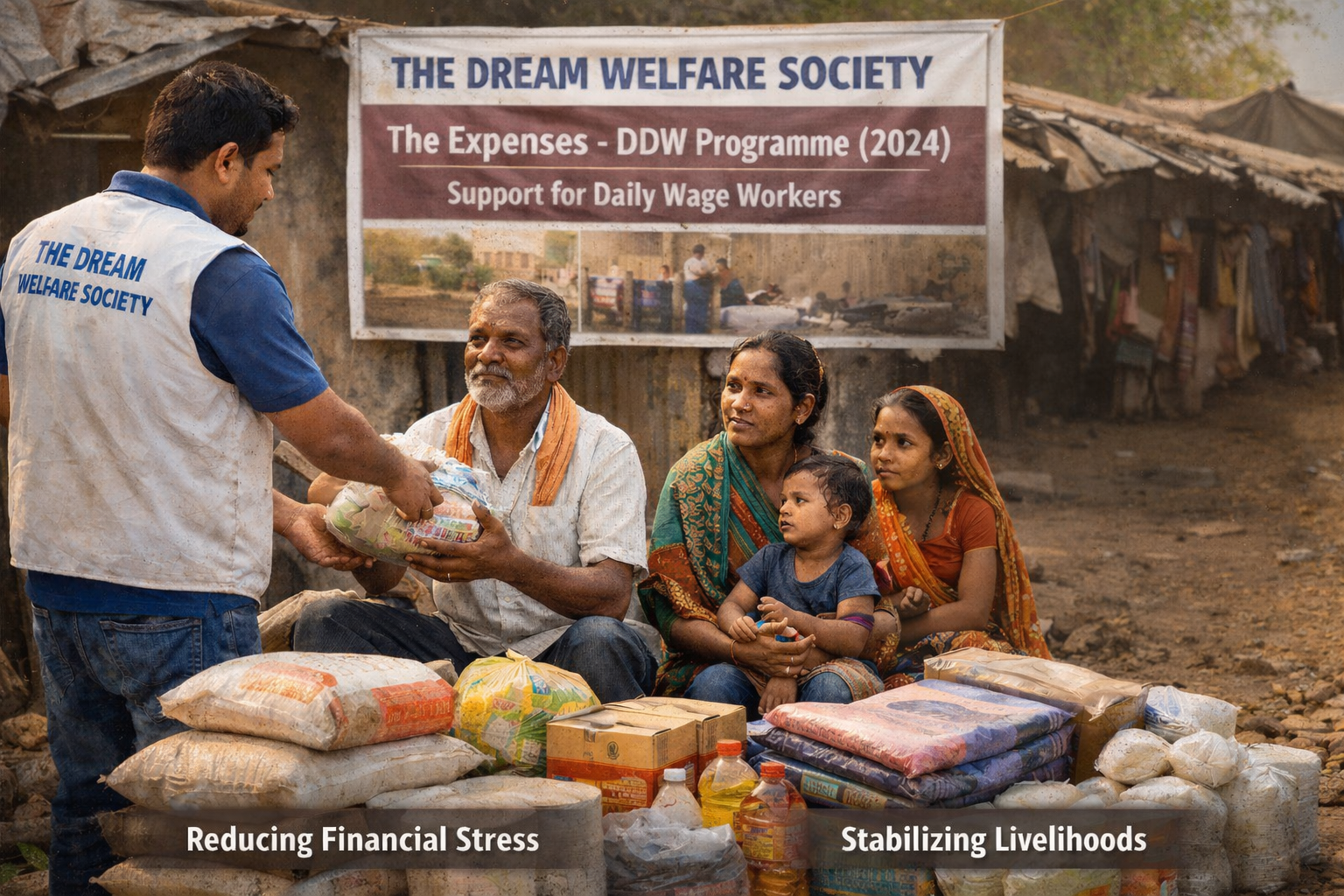
Under the DDW Programme, training and capacity-building activities were conducted to enhance the skills, knowledge, and awareness of beneficiaries. The programme focused on strengthening livelihood capabilities, improving employability, and promoting self-reliance among participants. It provided training, capacity building, and skill enhancement support for daily wage workers.
Read Full Story