Programme at a Glance
₹
1,00,000
Budget Used
◎
2000
Tree's Planted
~40 mt/yr
Carbon Offset
Executive Summary
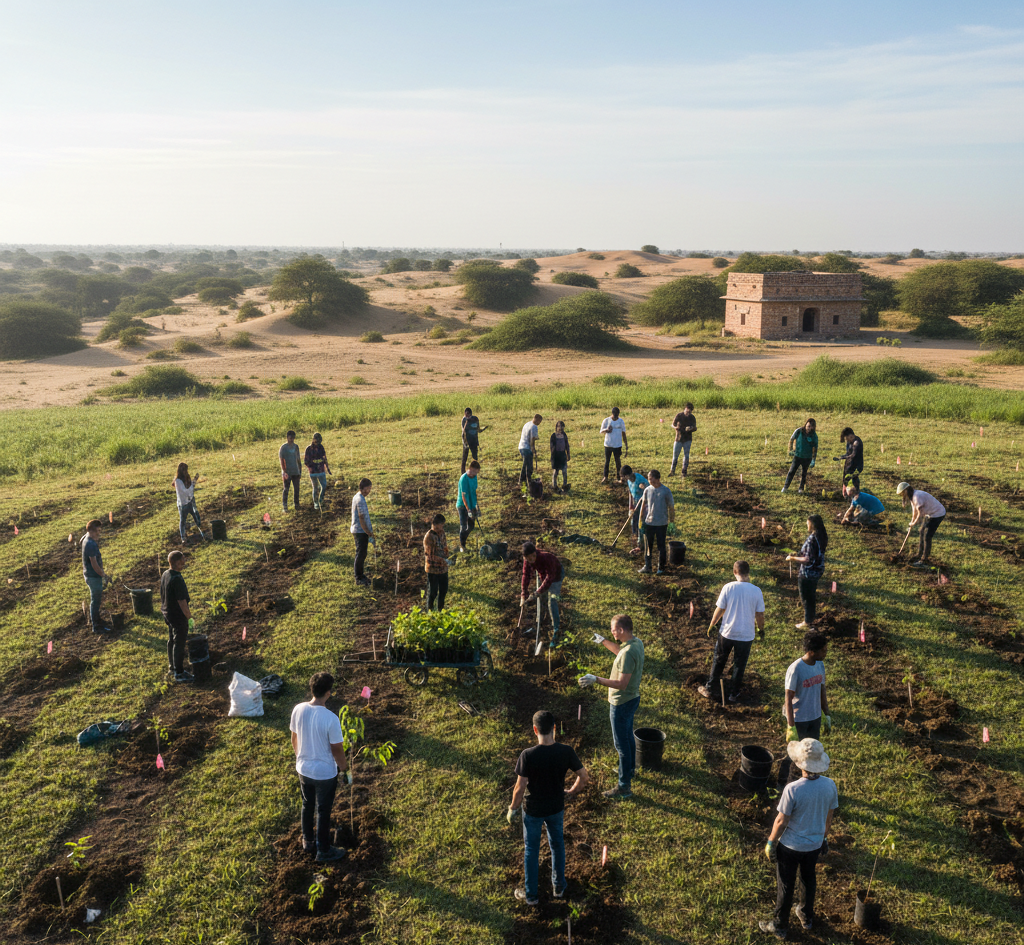
The Plantation Programme was implemented by The Dream Welfare Society as a community-driven climate action initiative in environmentally fragile regions. With a dedicated budget, the programme successfully planted saplings across community areas, roadsides, and public spaces. The initiative directly engaged a large number of individuals and indirectly benefited many more through improved air quality, reduced heat stress, enhanced green cover, carbon offset and strengthened local ecology — creating widespread environmental and community impact.
Key Findings
- Plantation is among the most cost-effective climate interventions
- Community ownership significantly improves sapling survival
- Indirect beneficiaries form the largest impact group
- Environmental and social benefits are strongly interconnected
- Even limited budgets can create large-scale ecological impact
Project Snapshot
| Parameter | Details |
|---|---|
| Project Name | Plantation Programme - 2021 |
| Year | 2021 |
| Budget | ₹ 1,00,000 |
| Tree's Planted | 2000 |
| Carbon Offset | ~40 mt/yr |
Challenges & Learnings
Challenges
- Water scarcity during summer months
- Protection of young saplings from grazing and damage
- Requirement for regular monitoring and care
Learnings
- Community ownership is critical for long-term sustainability
- Awareness activities improve sapling care and protection
- School and youth participation increases long-term impact
Methodology
- Field verification of plantation sites
- Observation of sapling survival, growth, and site conditions
- Community interaction with beneficiaries and local residents
- Compilation and analysis of quantitative and qualitative data
- Long-term environmental benefits cannot be fully measured within one year
- Survival rates vary due to climate conditions and water availability
- Some impact values are based on field observations and beneficiary reporting
Impact Analysis
- Increased local green cover
- Reduced dust and air pollution
- Improved micro-climate and lower heat stress
- Carbon absorption and oxygen generation
- Improved soil stability and moisture retention
- Support for birds and small wildlife
- Strong community participation and local ownership
- Increased environmental awareness among youth
- Greater sense of responsibility toward nature
- Improved quality of life in plantation areas
- Trees maintained by local residents
- Minimal recurring financial input required
- Environmental benefits increase year after year
- Community ownership ensures long-term protection
- Roadside and highway plantation
- Urban and peri-urban green belts
- Village commons and public land
Keep Reading
View All StoriesMore Impact Stories
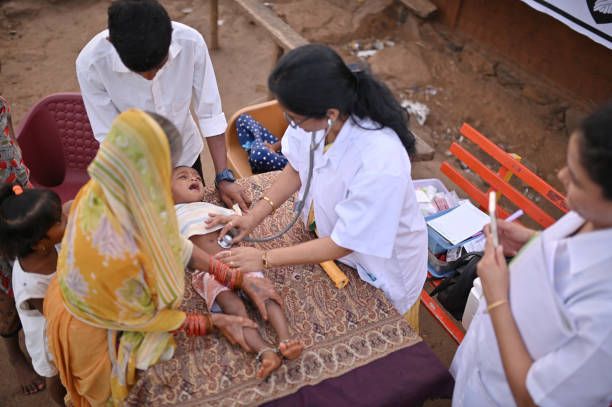
Medical & Health Program (Comprehensive Care) - 2024
The Medical and Health Program (Comprehensive Care) was the largest single-year health intervention undertaken by The Dream Welfare Society, focused on strengthening primary healthcare access in urban slums. The programme delivered consultations, diagnostics, and medicines to unique beneficiaries. Beyond direct treatment, the intervention generated wide community-level impact by improving health stability, reducing deferred care, and strengthening economic resilience across high-density urban settlements.
Read Full Story
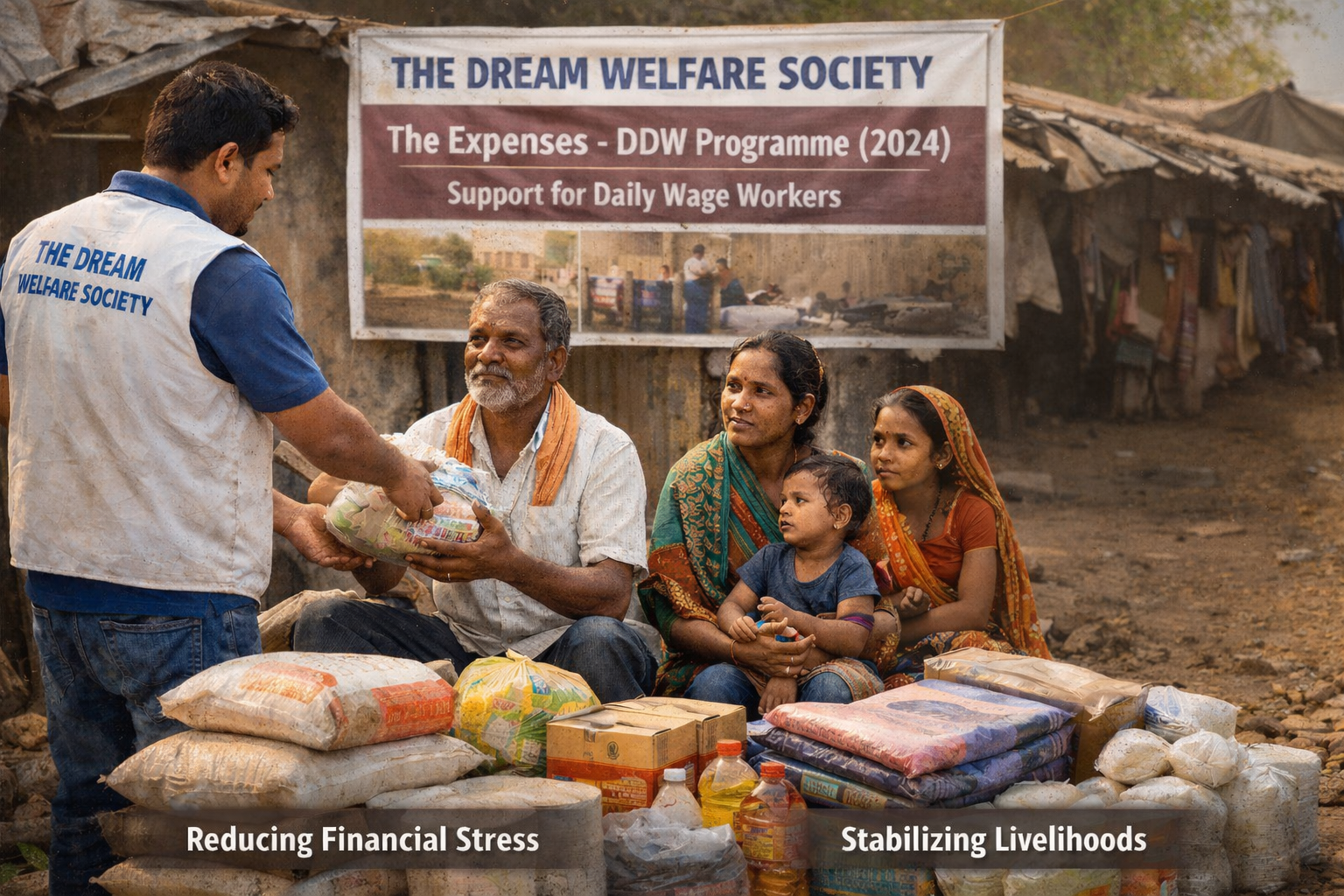
DDW Programme - 2024
Under the DDW Programme, training and capacity-building activities were conducted to enhance the skills, knowledge, and awareness of beneficiaries. The programme focused on strengthening livelihood capabilities, improving employability, and promoting self-reliance among participants. It provided training, capacity building, and skill enhancement support for daily wage workers.
Read Full Story