Back to Stories
Impact Report
Exp. Ranthambore Programme – Impact Assessment 2024
Year: 2024
🏷️
Livelihood & Economic Empowerment
Programme at a Glance
₹
2,15,000
Budget Used
570
Total Reach
◎
95
Direct Beneficiaries
475
Indirect Beneficiaries
↗
1 : 5
Multiplier Effect
Executive Summary
The Exp. Ranthambore Programme (2024), implemented by The Dream Welfare Society, provided expense-based relief and livelihood stabilization support to vulnerable daily wage–dependent households in and around the Ranthambore region. With a total expenditure of ₹2,15,000, the programme supported 1,000 individuals, directly benefiting 95 people and indirectly impacting 475 individuals. The intervention demonstrated strong household-level impact, cost efficiency, and timely financial relief during periods of economic uncertainty.
Key Findings
- Expense-based relief provides immediate livelihood stabilization
- Timely support prevents deeper economic distress
- Strong household-level multiplier effect
- Relief programmes complement long-term livelihood initiatives
Project Snapshot
| Parameter | Details |
|---|---|
| Project Name | Exp. Ranthambore Programme – Impact Assessment 2024 |
| Year | 2024 |
| Budget | ₹ 2,15,000 |
| Direct Impact | 95 |
| Indirect Impact | 475 |
| Total Reach | 570 |
Challenges & Learnings
Challenges
- Identifying the most vulnerable daily wage workers in informal settings
- Lack of documentation for income and dependency assessment
- Variability in household expenses (rent, healthcare, food security)
- Short-term nature of relief limiting long-term livelihood impact
- Sudden income loss due to weather and health emergencies
Learnings
- Timely intervention significantly reduces hardship
- Household-level assessment improves targeting accuracy
- Small financial support creates strong multiplier effects
- Relief works best when linked with long-term livelihood planning
- Preventive support reduces distress migration
Methodology
- Review of expenditure records and beneficiary lists
- Interaction with daily wage workers and supported households
- Household-level discussions on income stability and expenses
- Observation of living conditions and immediate needs
- Cross-verification with field staff and community representatives
Impact Analysis
- Reduced financial stress during income disruptions
- Improved ability to meet essential household expenses
- Reduced reliance on informal borrowing
- Improved coping capacity during seasonal and economic shocks
Conclusion
The Exp. Ranthambore Programme (2024) successfully delivered timely, dignified, and cost-effective expense-based relief, reaching 570 people and stabilizing vulnerable households during periods of economic uncertainty. The programme reduced financial stress, strengthened resilience, and demonstrated that targeted relief is a vital component of inclusive social protection.
Keep Reading
View All StoriesMore Impact Stories
December 2024
Medical & Health Program (Comprehensive Care)
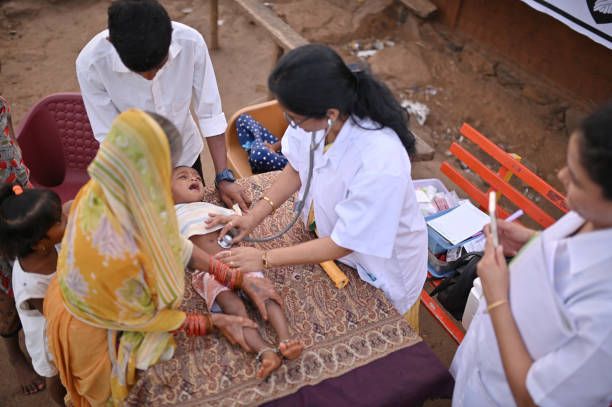
The Medical & Health Program (Comprehensive Care) 2024 was the largest single-year health intervention undertaken by The Dream Welfare Society, focused on strengthening primary healthcare access in urban slums. With a total investment of ₹5,00,000, the programme delivered consultations, diagnostics, and medicines to 3,000+ unique beneficiaries. Beyond direct treatment, the intervention generated a wide community-level impact by improving health stability, reducing deferred care, and strengthening economic resilience across high-density urban settlements.
Read Full Story
July 2024
Expenses – DDW Programme
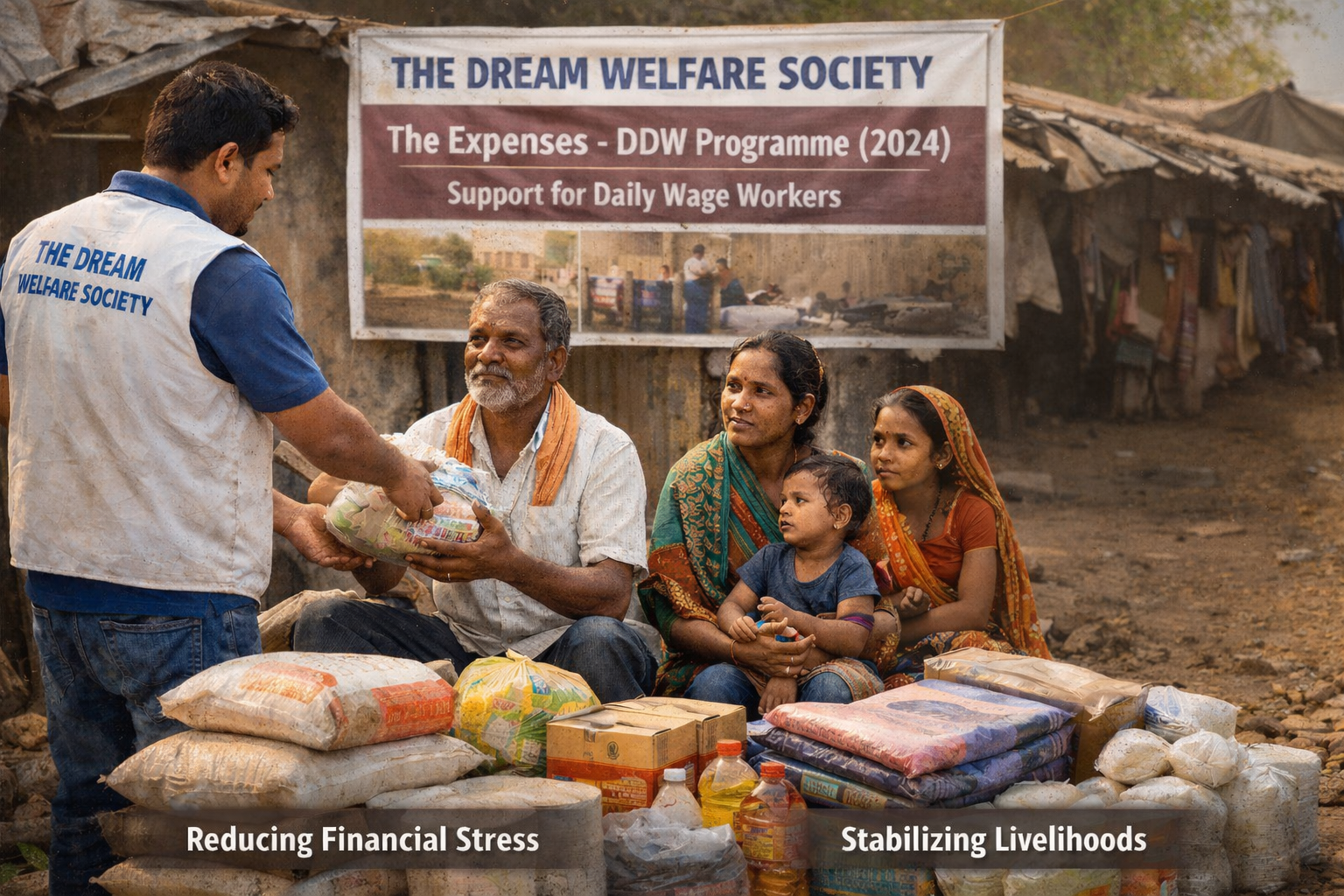
The Expenses – DDW Programme (2024), implemented by The Dream Welfare Society, provided expense-based financial and material relief to Daily Wage Workers facing seasonal hardship and economic vulnerability. With a total expenditure of ₹2,17,500, the programme supported individuals and groups and , directly benefiting 95 workers and indirectly impacting 475 family members. The intervention demonstrated strong household-level multiplier effects, reduced financial stress, and stabilized livelihoods during periods of income disruption.
Read Full Story