Back to Stories
Impact Report
Education & Book Distribution Programme - 2015
Year: 2015
🏷️
Education & Skill Development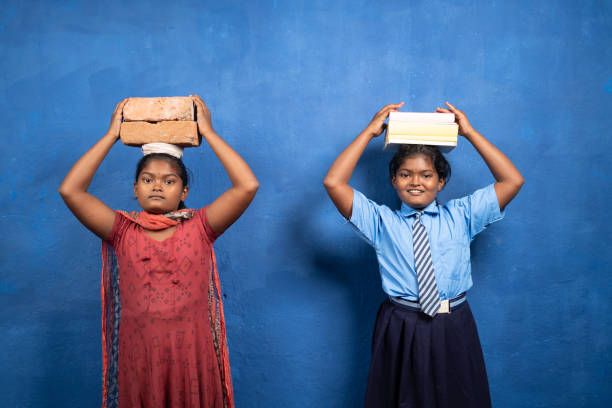
Programme at a Glance
₹
5,64,681
Budget Used
15,192
Total Reach
◎
1,500
Direct Beneficiaries
13,692
Indirect Beneficiaries
↗
1 : 9
Multiplier Effect
Executive Summary
The Education & Books Distribution Programme (2015) was implemented by The Dream Welfare Society to reduce barriers to education faced by marginalized urban communities, particularly the lack of basic learning materials. Despite free schooling, many families struggled with the cost of textbooks, notebooks, stationery, and school bags, leading to school dropouts, especially among girls. The programme focused on supporting children at the beginning of the academic session and promoting a culture of education within underserved communities.
Key Findings
- We found that the lack of notebooks was the biggest daily challenge for children.
- Support to girls helped keep them in school and, in several cases, delayed early marriages.
- Teaching became easier and more effective because every student had a textbook to follow.
Project Snapshot
| Parameter | Details |
|---|---|
| Project Name | Education & Book Distribution Programme - 2015 |
| Year | 2015 |
| Budget | ₹ 5,64,681 |
| Direct Impact | 1,500 |
| Indirect Impact | 13,692 |
| Total Reach | 15,192 |
Challenges & Learnings
Major challenges encountered during project implementation and the key learnings that will guide future programs.
Challenges
- Last-minute government syllabus changes affecting book selection
- Transporting heavy book loads into narrow slum lanes
Learnings
- Distribution should occur before school reopening to avoid learning loss
- Bulk procurement directly from publishers ensures cost efficiency
- Standardized “Student Dignity Kits” reduce classroom inequality
- Book reuse models significantly improve sustainability
Methodology
- Identified children from marginalized communities who lacked basic school materials
- Interacted with families and community members to understand education needs
- Distributed learning materials at the start of the academic session
Impact Analysis
- Improved student confidence and classroom participation
- Reduced absenteeism and risk of school dropouts
- Book-bank model enabling reuse of textbooks
- Strengthened trust between schools, parents, and the NGO
- Replication across additional slum clusters and government schools
- Alignment with government education initiatives
Keep Reading
View All StoriesMore Impact Stories
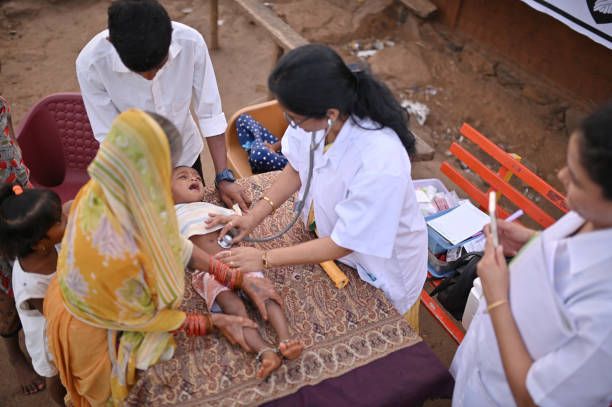
Medical & Health Program (Comprehensive Care) - 2024
The Medical and Health Program (Comprehensive Care) was the largest single-year health intervention undertaken by The Dream Welfare Society, focused on strengthening primary healthcare access in urban slums. The programme delivered consultations, diagnostics, and medicines to unique beneficiaries. Beyond direct treatment, the intervention generated wide community-level impact by improving health stability, reducing deferred care, and strengthening economic resilience across high-density urban settlements.
Read Full Story
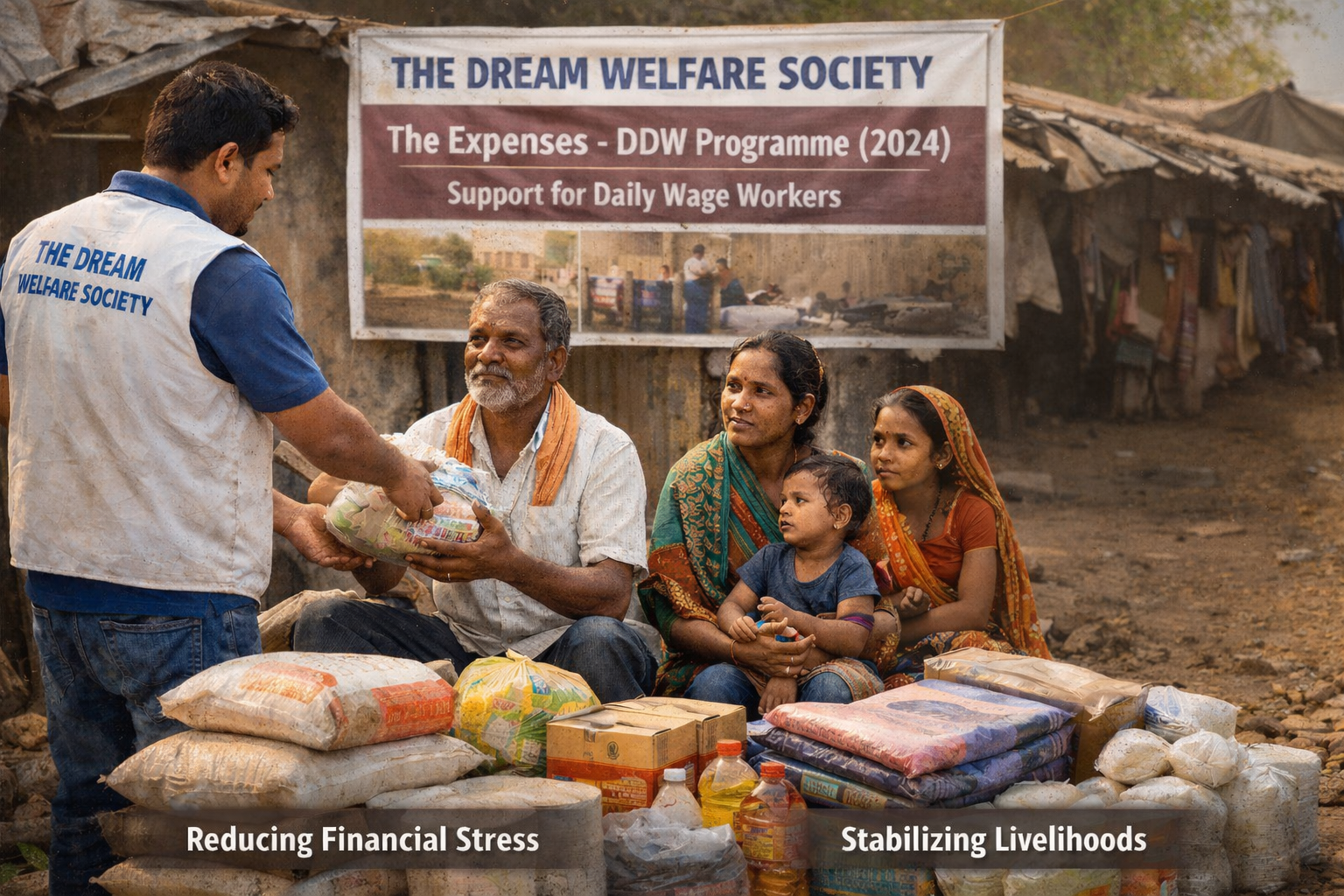
DDW Programme - 2024
Under the DDW Programme, training and capacity-building activities were conducted to enhance the skills, knowledge, and awareness of beneficiaries. The programme focused on strengthening livelihood capabilities, improving employability, and promoting self-reliance among participants. It provided training, capacity building, and skill enhancement support for daily wage workers.
Read Full Story