Programme at a Glance
₹
5,00,000
Budget Used
21,810
Total Reach
◎
4000
Direct Beneficiaries
17,810
Indirect Beneficiaries
↗
1 : 4
Multiplier Effect
Executive Summary
The Covid-19 Relief (Second Wave Response) Programme, implemented by The Dream Welfare Society, delivered timely emergency assistance during India’s severe second wave of the pandemic. The programme provided essential relief—including dry ration kits, protective equipment, and basic medical supplies—to vulnerable and underserved communities. The intervention reached verified high-impact beneficiaries, ensuring immediate survival and stabilization. In addition, community-level protection measures extended indirect benefits to a wider population, enabling broad outreach and high impact through efficient and responsible use of resources.
Key Findings
- Timely Delivery of Emergency Relief
- Support to Vulnerable and Underserved Groups
- Extended Community-Level Benefits
- Efficient and Responsible Resource Utilization
Project Snapshot
| Parameter | Details |
|---|---|
| Project Name | Covid-19 Relief Program - 2021 |
| Year | 2021 |
| Budget | ₹ 5,00,000 |
| Direct Impact | 4000 |
| Indirect Impact | 17,810 |
| Total Reach | 21,810 |
Challenges & Learnings
Challenges
- Volunteer safety during peak infection periods
- Market shortages of medical devices (oximeters, thermometers)
- Social stigma associated with receiving ration aid
- Documentation delays due to crisis conditions
Learnings
- In-kind relief ensured assistance was utilized for essential survival needs.
- Door-to-door distribution preserved beneficiary dignity and reduced access barriers.
- Brief counselling at distribution points supported proper usage and awareness.
Methodology
- Focus Group Discussions with beneficiaries
- Observation of post-intervention hygiene behaviour
- Vulnerability-based impact categorization
- Retrospective beneficiary recall in some cases
- Long-term health outcomes not medically tracked
Impact Analysis
- Reduced infection risk through mask and sanitizer usage
- Use of reusable cloth masks reduced medical waste
- Eco-friendly packaging minimized plastic use
- Hunger prevention during peak crisis periods
- Reduced panic and anxiety in high-density clusters
- Improved awareness of scientific home-isolation protocols
- Strengthened communal harmony and trust
- Establishment of rapid-response volunteer and vendor networks
- Continued hygiene behavior beyond the intervention period
- Replication for future pandemics and disaster situations
Keep Reading
View All StoriesMore Impact Stories
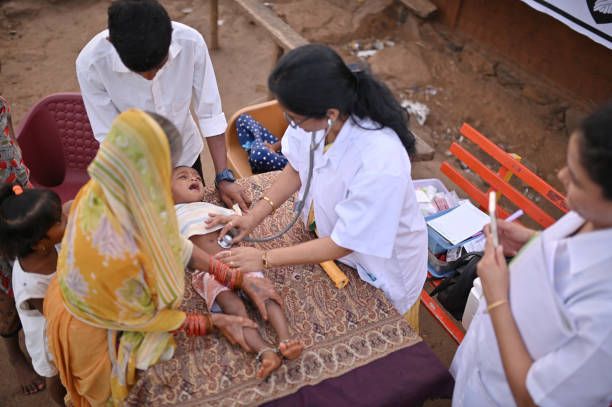
Medical & Health Program (Comprehensive Care) - 2024
The Medical and Health Program (Comprehensive Care) was the largest single-year health intervention undertaken by The Dream Welfare Society, focused on strengthening primary healthcare access in urban slums. The programme delivered consultations, diagnostics, and medicines to unique beneficiaries. Beyond direct treatment, the intervention generated wide community-level impact by improving health stability, reducing deferred care, and strengthening economic resilience across high-density urban settlements.
Read Full Story
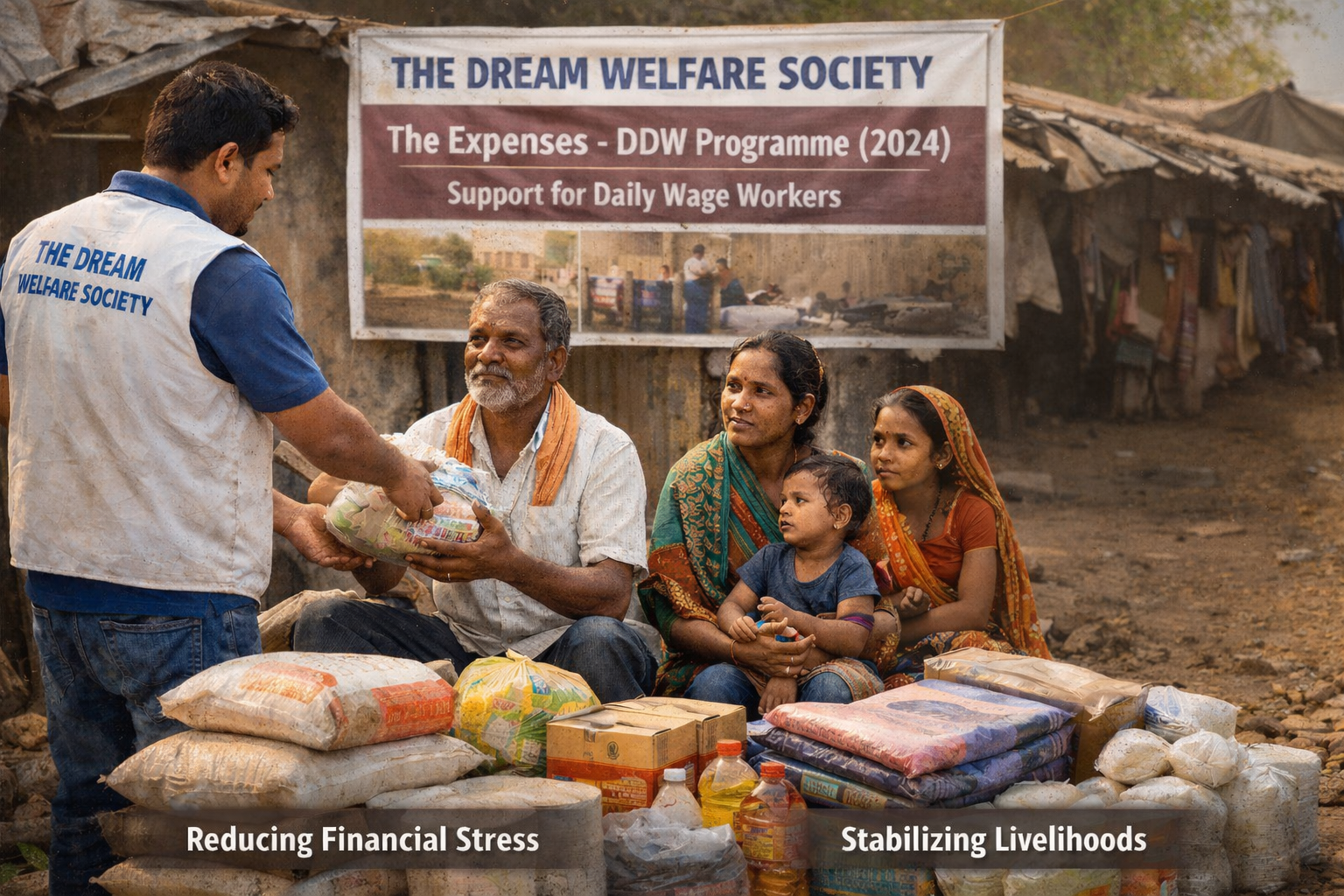
DDW Programme - 2024
Under the DDW Programme, training and capacity-building activities were conducted to enhance the skills, knowledge, and awareness of beneficiaries. The programme focused on strengthening livelihood capabilities, improving employability, and promoting self-reliance among participants. It provided training, capacity building, and skill enhancement support for daily wage workers.
Read Full Story