Back to Stories
Impact Report
Cattle Feed Programme - 2005
Year: 2005
🏷️
Livelihood & Economic Empowerment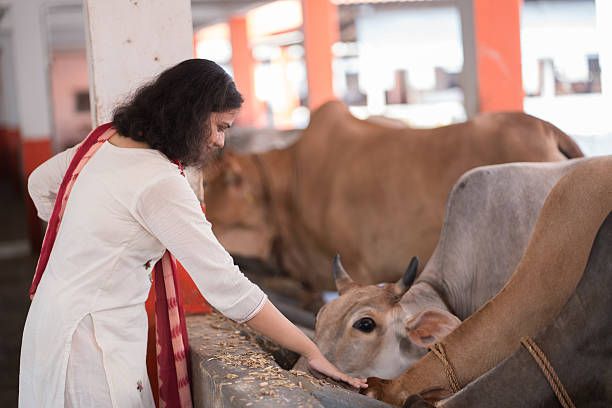
Programme at a Glance
₹
68,928
Budget Used
6,216
Total Reach
◎
300
Direct Beneficiaries
5,916
Indirect Beneficiaries
↗
1 : 20
Multiplier Effect
Executive Summary
The Cattle Feed Programme was implemented by The Dream Welfare Society to support small and marginal farmers struggling with rising cattle feed costs, drought conditions, and limited purchasing capacity. Livestock formed a critical pillar of rural livelihoods, yet undernourished cattle resulted in low milk productivity and unstable incomes. The programme supported farmers, directly benefiting individuals and indirectly impacting people across farming households and communities. The programme significantly improved cattle health, increased milk productivity, stabilized farmer incomes, and demonstrated a strong multiplier effect in rural areas.
Key Findings
- Livestock feed support has immediate livelihood impact
- Improved cattle nutrition increases milk yield
- Dairy income strengthens household food and income security
- Small financial assistance yields high household-level benefits
- Multiplier effect significantly expands programme reach
Project Snapshot
| Parameter | Details |
|---|---|
| Project Name | Cattle Feed Programme - 2005 |
| Year | 2005 |
| Budget | ₹ 68,928 |
| Direct Impact | 300 |
| Indirect Impact | 5,916 |
| Total Reach | 6,216 |
Challenges & Learnings
Challenges
- Rising cost of cattle feed
- Seasonal fodder shortages
- Dependence on climatic conditions affecting livestock nutrition
Learnings
- Timely feed support prevents income loss
- Livestock interventions are highly impactful for small farmers
- Dairy income plays a critical role in household resilience
Methodology
- Interaction with farmers and local communities
- Observation of livestock condition and feed usage
- Household-level discussions on income and productivity
- Long-term income growth and productivity depend on seasonal conditions
Impact Analysis
- Improved cattle nutrition and health
- Increased milk productivity
- Enhanced income stability for farming households
- Reduced financial stress among farmers
- Improved household food security through regular dairy consumption
- Strengthened household resilience during difficult seasons and climate variability
- Increased confidence in livestock-based livelihoods
- Strengthened farmer knowledge on livestock management
- Integration with veterinary and animal health awareness program
- Dairy market linkages for improved income realization
- Collective purchase models to reduce feed costs
Keep Reading
View All StoriesMore Impact Stories
Medical & Health Program (Comprehensive Care) - 2024
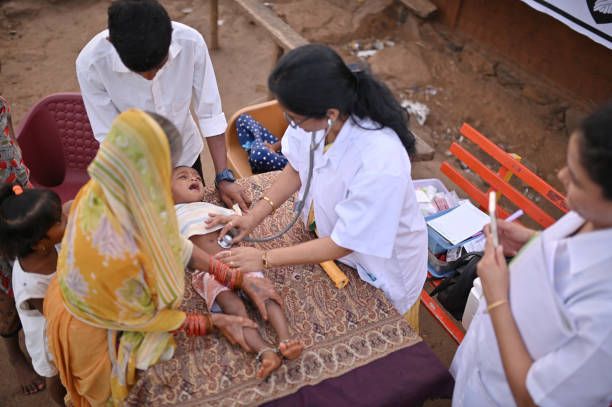
The Medical and Health Program (Comprehensive Care) was the largest single-year health intervention undertaken by The Dream Welfare Society, focused on strengthening primary healthcare access in urban slums. The programme delivered consultations, diagnostics, and medicines to unique beneficiaries. Beyond direct treatment, the intervention generated wide community-level impact by improving health stability, reducing deferred care, and strengthening economic resilience across high-density urban settlements.
Read Full Story
DDW Programme - 2024
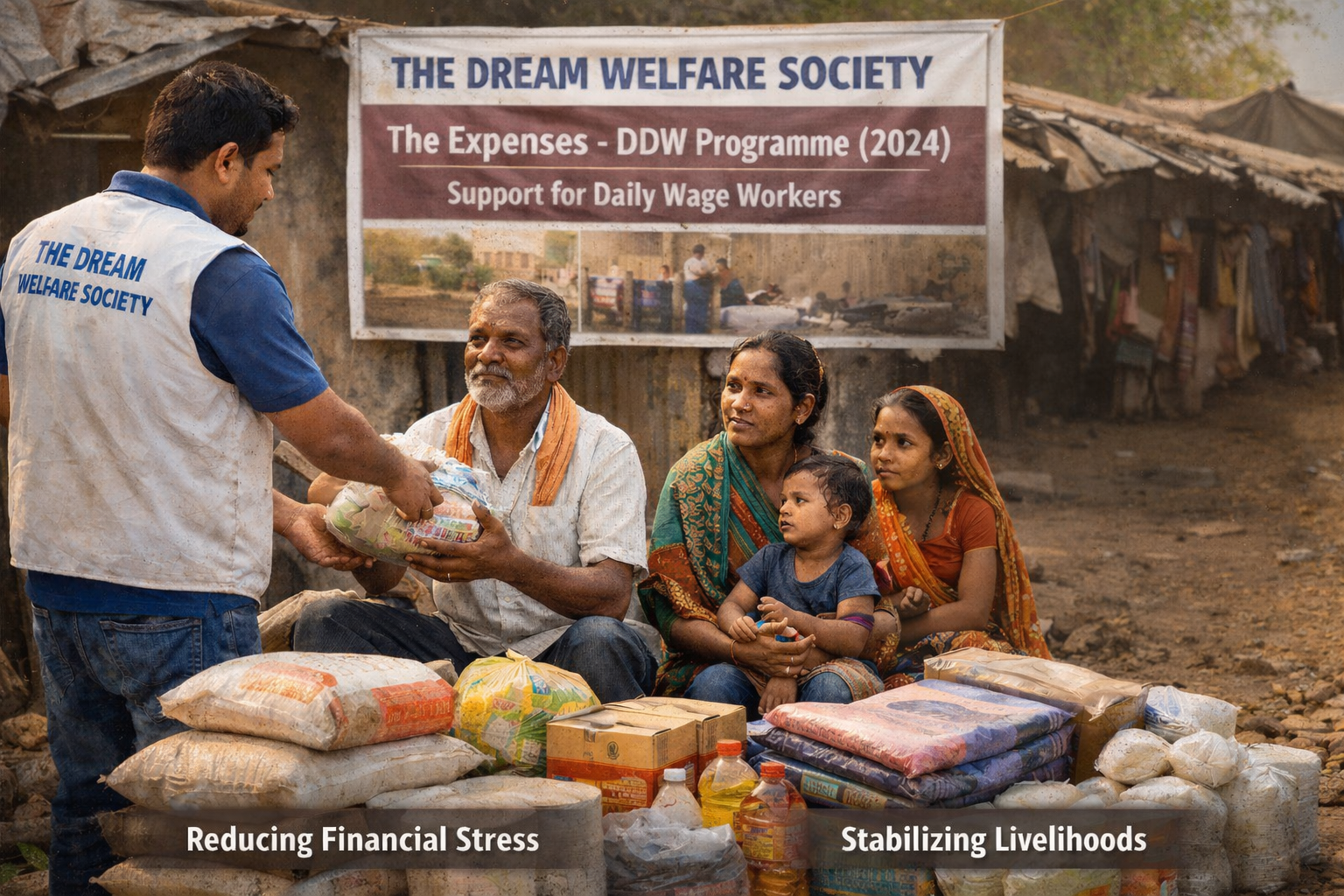
Under the DDW Programme, training and capacity-building activities were conducted to enhance the skills, knowledge, and awareness of beneficiaries. The programme focused on strengthening livelihood capabilities, improving employability, and promoting self-reliance among participants. It provided training, capacity building, and skill enhancement support for daily wage workers.
Read Full Story