Back to Stories
Impact Report
Blind Student Training Programme - 2020
Year: 2020
🏷️
Education & Skill Development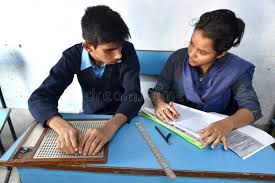
Programme at a Glance
₹
2,27,500
Budget Used
5,336
Total Reach
◎
120
Direct Beneficiaries
5,216
Indirect Beneficiaries
↗
1 : 43
Multiplier Effect
Executive Summary
The Blind Student Training Programme was implemented by The Dream Welfare Society as an emergency response to the severe digital, educational, and mobility exclusion faced by visually impaired students during the pandemic lockdown. As education rapidly shifted online, blind students were at high risk of academic dropout due to inaccessible platforms and limited assistive technology skills. With programme support, visually impaired students were trained to use screen readers for digital independence and learned safe mobility practices during the pandemic.
Key Findings
- Assistive technology training enables full digital participation for blind students
- Independence of a blind student significantly reduces caregiver burden
- Remote, audio-based pedagogy can be effective for special-needs education
- Digital accessibility is a prerequisite for inclusive education systems
- Empowering persons with disabilities produces strong social multiplier effects
Project Snapshot
| Parameter | Details |
|---|---|
| Project Name | Blind Student Training Programme - 2020 |
| Year | 2020 |
| Budget | ₹ 2,27,500 |
| Direct Impact | 120 |
| Indirect Impact | 5,216 |
| Total Reach | 5,336 |
Challenges & Learnings
Challenges
- Limited availability of smartphones and assistive devices
- Difficulty in teaching fine motor and mobility skills remotely
- Initial parental overprotection restricting independence
Learnings
- Technology is the strongest equalizer for persons with visual impairment
- Peer mentoring (“blind teaching blind”) accelerates learning
- Audio manuals are more effective than written documentation
- Independence training transforms family and community perceptions
Methodology
- Caregiver interviews to measure dependency reduction
- Limited assessment of advanced braille motor skills
- Network constraints affecting uniform training delivery
Impact Analysis
- Shift to audio and digital learning reduced braille paper usage
- Increased inclusion of blind students in mainstream online classrooms
- Reduced stigma and improved community attitudes toward disability
- Restored confidence and academic hope among students
- Liberation of caregiver time and household productivity
- Lifetime digital independence once screen-reader logic is learned
- Replication for other disabilities and assistive technologies
Keep Reading
View All StoriesMore Impact Stories
Medical & Health Program (Comprehensive Care) - 2024
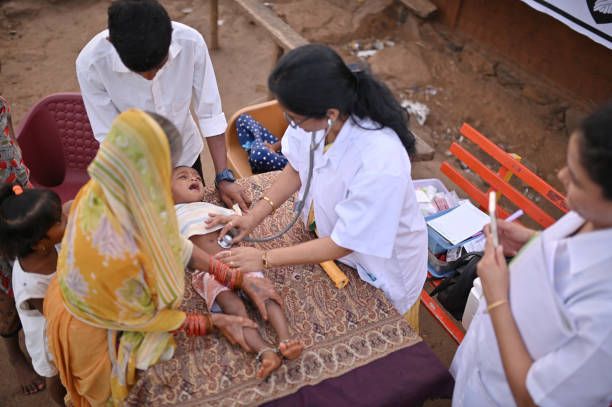
The Medical and Health Program (Comprehensive Care) was the largest single-year health intervention undertaken by The Dream Welfare Society, focused on strengthening primary healthcare access in urban slums. The programme delivered consultations, diagnostics, and medicines to unique beneficiaries. Beyond direct treatment, the intervention generated wide community-level impact by improving health stability, reducing deferred care, and strengthening economic resilience across high-density urban settlements.
Read Full Story
DDW Programme - 2024
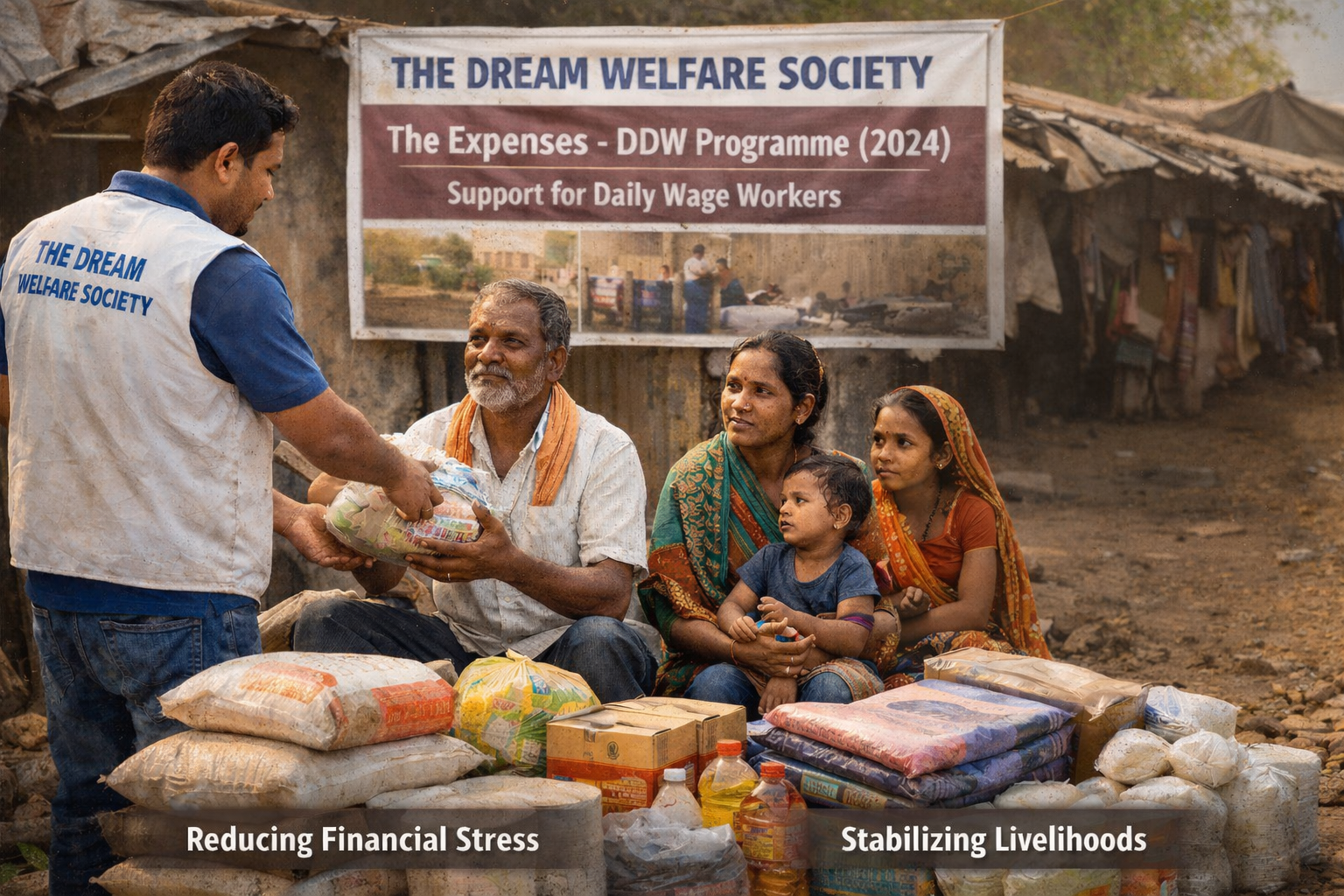
Under the DDW Programme, training and capacity-building activities were conducted to enhance the skills, knowledge, and awareness of beneficiaries. The programme focused on strengthening livelihood capabilities, improving employability, and promoting self-reliance among participants. It provided training, capacity building, and skill enhancement support for daily wage workers.
Read Full Story