Back to Stories
Impact Report
Artisans Handicraft Training Programme - 2022
Year: 2022
🏷️
Livelihood & Economic Empowerment
Programme at a Glance
₹
13,300
Budget Used
396
Total Reach
◎
40
Direct Beneficiaries
356
Indirect Beneficiaries
↗
1 : 9
Multiplier Effect
Executive Summary
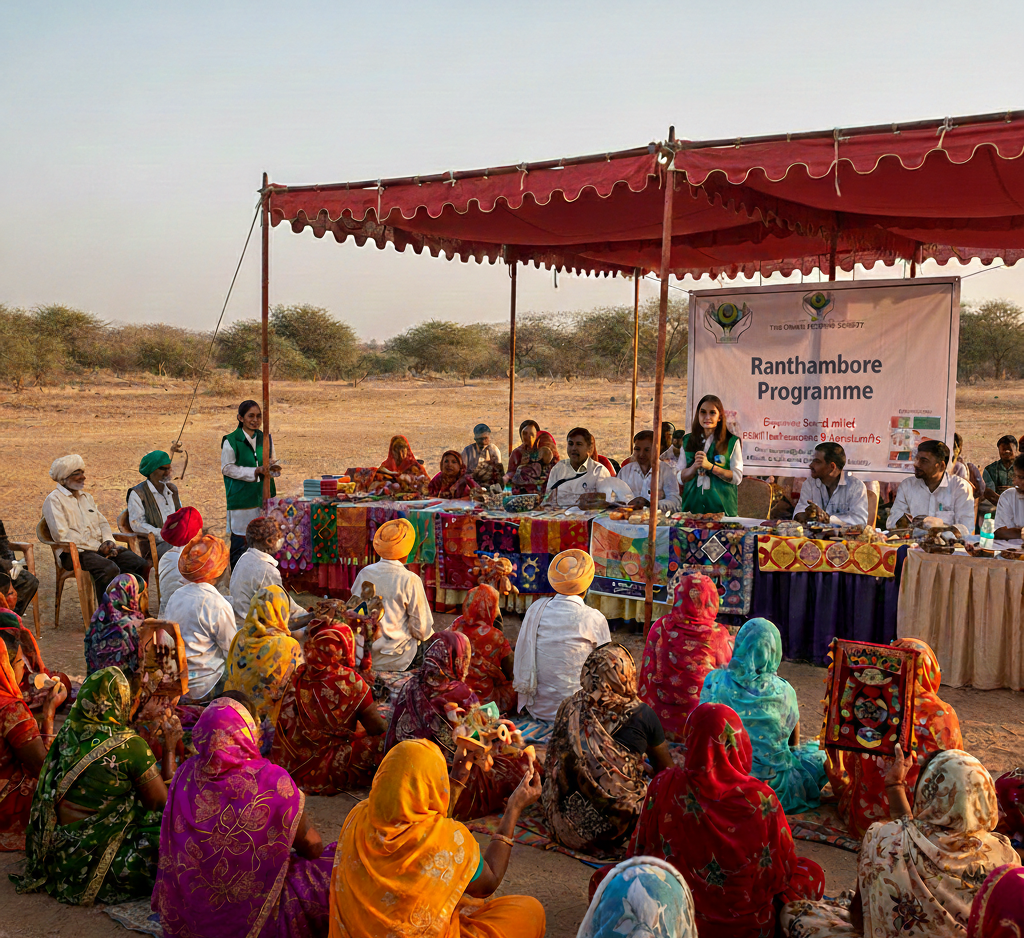
The Artisans Handicraft Training Programme by The Dream Welfare Society, to strengthen traditional handicraft skills, enhance product quality, and improve income stability among artisans engaged in handicraft-based livelihoods. The programme provided training to artisans, directly benefiting participants and indirectly supporting many individuals across their households and community networks.
Key Findings
- Skill enhancement significantly improves artisan livelihoods
- Low-cost training generates strong economic multipliers
- Handicraft promotion supports income growth and cultural preservation
- Women artisans benefit significantly from skill-based interventions
Project Snapshot
| Parameter | Details |
|---|---|
| Project Name | Artisans Handicraft Training Programme - 2022 |
| Year | 2022 |
| Budget | ₹ 13,300 |
| Direct Impact | 40 |
| Indirect Impact | 356 |
| Total Reach | 396 |
Challenges & Learnings
Challenges
- Limited access to quality raw materials and appropriate tools
- Restricted access to reliable market linkages
- Dependence on local middlemen reducing profit margins
- Time constraints for women artisans due to household responsibilities
- Limited awareness of contemporary design trends
Learnings
- Hands-on, practical training improves skill adoption
- Market-oriented skill development enhances income potential
- Group-based training strengthens peer learning and motivation
- Continuous mentoring improves long-term livelihood outcomes
Methodology
- Interviews and group discussions with artisans and local communities
- Observation of handicraft practices and product quality
- Household-level discussions on income contribution
- Cross-verification with trainers and field staff
Impact Analysis
- Improved technical skills and craftsmanship quality
- Enhanced product finishing and design awareness
- Increased income potential through improved productivity
- Reduced dependence on irregular wage labour
Keep Reading
View All StoriesMore Impact Stories
Medical & Health Program (Comprehensive Care) - 2024
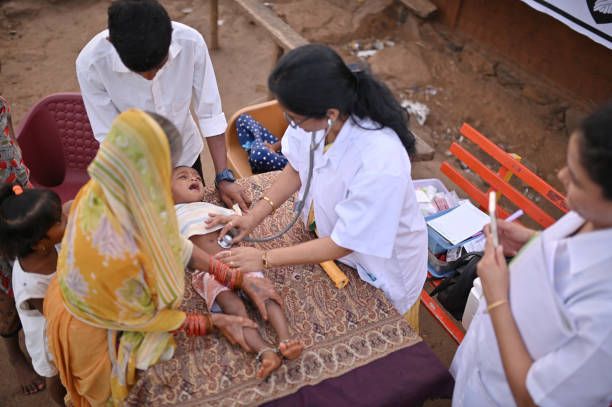
The Medical and Health Program (Comprehensive Care) was the largest single-year health intervention undertaken by The Dream Welfare Society, focused on strengthening primary healthcare access in urban slums. The programme delivered consultations, diagnostics, and medicines to unique beneficiaries. Beyond direct treatment, the intervention generated wide community-level impact by improving health stability, reducing deferred care, and strengthening economic resilience across high-density urban settlements.
Read Full Story
DDW Programme - 2024
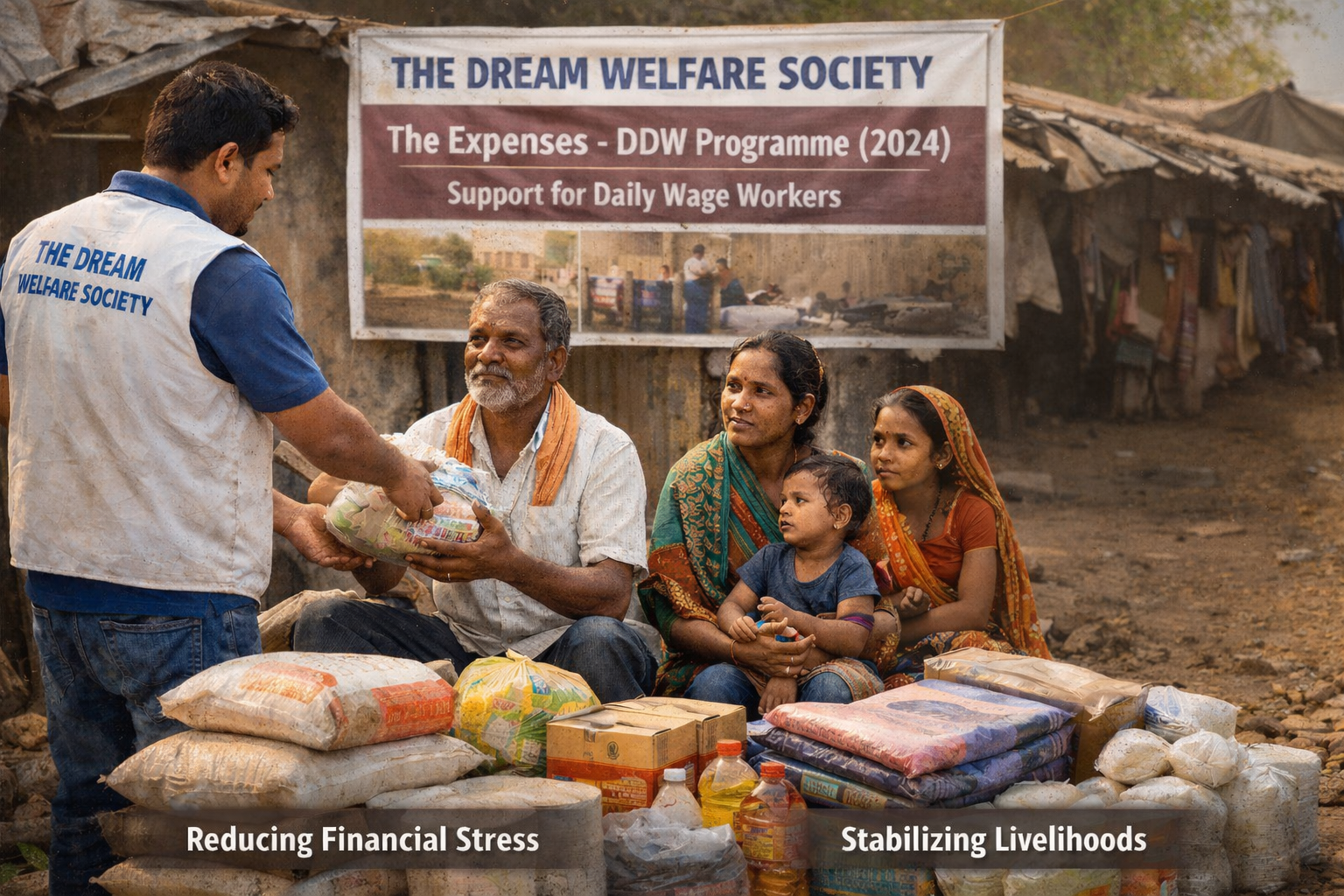
Under the DDW Programme, training and capacity-building activities were conducted to enhance the skills, knowledge, and awareness of beneficiaries. The programme focused on strengthening livelihood capabilities, improving employability, and promoting self-reliance among participants. It provided training, capacity building, and skill enhancement support for daily wage workers.
Read Full Story